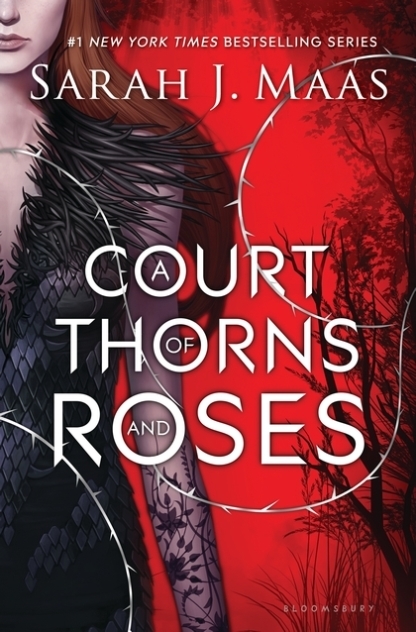
A Court of Thorns and Roses isn’t just another fantasy novel, nor is it a mere fairy tale remix or a sultry romance tucked into a magical setting—it’s something that cracked open the genre and let in a flood of heat, heart, and haunting depth. To call it “YA fantasy” always felt too small. When Sarah J. Maas launched the first installment back in 2015, she didn’t just hit bestseller lists—she stirred up a storm that reshaped how fantasy could feel, especially when female desire, grit, and emotional messiness were allowed to take center stage. This wasn’t your classic “girl meets beast” tale—it was sharper, more daring, and unexpectedly rebellious.
At the center is Feyre Archeron, a mortal girl molded by hardship, resentment, and an iron-willed instinct to survive. Her family leans on her but gives little back, and when she slays a wolf in the woods, it kicks off a chain reaction that pulls her into the enchanted yet dangerous Spring Court—far from anything even the darkest fairy tales warn about. At first glance, it nods to Beauty and the Beast, but that mask slips quickly. This is a story not of petals and forgiveness, but of raw power, sacrifice, and the haunting clarity that surfaces when we confront our reflection in someone else’s cage.
Maas writes like someone with a painter’s eye and a musician’s ear—her prose drips with color, texture, and sound. It’s lush, indulgent even, but not empty. Every sentence pulses with tension, emotion threaded tightly through the narrative. Her words don’t just describe Feyre’s world—they immerse you in it. You feel the crunch of snow, the hollow silence of magic-soaked woods, the tight pull of dread and desire tangled in a single breath. It’s not sparse; it’s deliberately overwhelming—and that’s the point.
Feyre isn’t chosen by fate. She isn’t a secret princess. She’s raw, stubborn, sometimes selfish—and all the more compelling for it. Her strength comes not from prophecy but from pain, survival, and a refusal to break. She’s not seeking destiny—she’s trying to make sense of who she is when surviving isn’t the only thing on the table. Pride, loyalty, shame, love—all twisted into a force that drives her, even when no one else thinks she should keep going.
And then there’s the romance—anything but gentle. Those expecting something soft or alluded to will be surprised. Maas doesn’t hint at passion—she plunges into it. Feyre and Tamlin’s dynamic simmers before it boils over, thick with desire and imbalance. Age, power, secrets—they’re all there, humming in the background. There’s a moment—brief, breathless, infamous—tucked into a hallway scene that made it very clear: this book was never meant to fit neatly on a teen shelf.
But the real genius lies in how the romance complicates, rather than resolves, Feyre’s journey. Love doesn’t save her—it demands more. Safety isn’t given; it’s risked. Every touch, every confession comes with weight, with the threat of unraveling. The tale might have started with a fairy-tale promise, but Maas quickly turns it on its head. Love here isn’t tidy. It’s dangerous. It cuts and exposes.
The world of Prythian itself unfurls slowly, piece by piece. The Spring Court glows with a beauty that hides its darker undercurrents—oppressive, watchful, almost too pristine. Magic simmers beneath every surface, seductive and strange. Maas doesn’t lay it all out in a tidy map; instead, she scatters hints, rituals, whispers of other courts and creeping monsters, letting readers gather clues like breadcrumbs. The mystery is part of the magic.
Control is a theme that runs deep—through enchantments, masks, political games. Everyone’s hiding something. Feyre walks in blind, but learns the rules as she goes. Her captivity slowly morphs into awakening, not just of her surroundings but of herself.
Even the supporting characters pulse with life. Tamlin is more than a golden hero; he’s weighed down, struggling with fear, often retreating when he should lead. His protectiveness blurs into control. Lucien brings sharp wit and hidden wounds. Alis, quietly loyal, offers grounding. And then there’s Rhysand—magnetic, unsettling, unforgettable, even in passing. These characters stretch the narrative beyond romance, into friendship, manipulation, and tangled alliances that refuse easy answers.
As the story deepens, so does the danger. The second half drops like a stone into darker territory—ruthless trials, mind games, and a heroine who’s dragged to the edge of herself. Nothing is handed to Feyre. Every shred of strength is earned in blood and agony. It’s here Maas takes the biggest risk: she lets Feyre break completely, only to rebuild her into something new.
What began with familiar beats becomes something far more visceral. The transformation hits like a punch—not just in the plot, but in the reader. You don’t just cheer for Feyre; you ache with her. Not for the crown, not for the man—for the will to rise.
The book isn’t perfect. The pacing slows at times. Some descriptions repeat. The world-building teases more than it explains. But maybe that’s part of the charm—its flaws make it feel alive. Messy, human, real. Like Feyre herself.
In the end, what sticks isn’t the magic or romance—it’s the weight of change. That quiet, echoing shift that great fantasy leaves behind. A Court of Thorns and Roses doesn’t just whisk readers away—it reshapes something inside them.
Maas didn’t just tell a story about fae and humans. She told one about survival, desire, and the grit it takes to love and lose and keep going anyway. She carved out space for a kind of fantasy that holds both ferocity and softness in the same hand. And in doing so, she didn’t just spark a fandom—she rewrote what the genre could dare to be.
Loved this review? Don’t keep it to yourself.
Share it with your book club, your BookTok feed, or your best friend who still thinks “fairy tale fantasy” means happily ever after. Then tell me: did ACOTAR wreck you, awaken you, or both?
Let’s talk romantasy—drop a comment or join the conversation at SallyTheScribeWrites.com.
 Sally the Scribe
Leave a comment