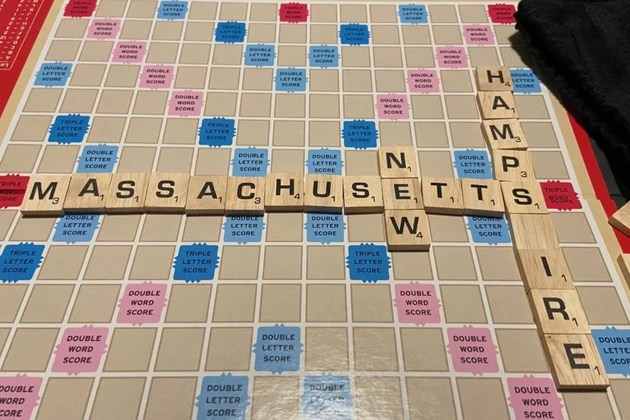
Let’s face it—English is a language that looks like it lost a bet.
Between “their,” “they’re,” and “there,” and rogue silent letters showing up like uninvited party guests, it’s a miracle any of us can spell at all. But here’s the good news: most spelling mistakes aren’t signs of low intelligence. They’re just the result of a language cobbled together from Latin, Germanic roots, and possibly a drunken game of Scrabble.
So whether you’re writing an email, a blog post, or passive-aggressively labeling the office fridge food, let’s break down the most common spelling mistakes and how to avoid them—with a dose of humor, because we could all use a chuckle with our grammar correction.
1. There, Their, and They’re: The Throuple of Confusion
Ah, the unholy trinity of English homophones. These three cause more online arguments than pineapple on pizza.
- There is a place: “Put your lunch over there before I eat it.”
- Their is possessive: “That’s their third grammar mistake this hour.”
- They’re is a contraction: “They’re about to get roasted by Grammarly.”
How to avoid the mistake:
Read the sentence out loud. If “they are” makes sense, use “they’re.” If not, check if you’re talking about ownership (their) or a location (there).
Bonus Tip: Don’t rely on autocorrect—it once turned “they’re going to the store” into “they’re going to the stork.” Cute, but confusing.
2. Definitely vs. Defiantly: One Is for Spelling, the Other Is for Attitude
You probably meant to say you definitely want pizza. But thanks to spellcheck, you just defiantly want it. Bold move.
- Definitely = without a doubt.
- Defiantly = rebellious and aggressive, like a toddler refusing broccoli.
How to avoid the mistake:
Try this mnemonic: I definitely spell definitely with an “I.” Not “A.” Not “E.” Just “I.” No need to get defiant about it.
3. Your vs. You’re: A Battle for Basic Grammar Supremacy
This one has ended friendships and caused countless passive-aggressive Facebook comments.
- Your shows possession: “Your spelling needs work.”
- You’re = you are: “You’re going to regret that tweet.”
How to avoid the mistake:
When in doubt, expand “you’re” into “you are.” If it doesn’t work, go with “your.” Easy peasy, grammatically greasy.
4. Loose vs. Lose: Stop Letting Go of the Right Word
When you say “I always loose my keys,” you sound like you’re setting them free to roam the wilderness. Free-range keys.
- Loose = not tight: “My jeans are loose because I forgot how to cook.”
- Lose = to misplace or be defeated: “I lose at Scrabble because of spelling mistakes.”
How to avoid the mistake:
“Lose” has one “o,” just like the number of times you want to spell it wrong.
5. Weird: Because It Is Weird
You know what’s weird? The word “weird.” It refuses to follow the beloved “i before e except after c” rule, which—plot twist—barely applies to anything.
How to avoid the mistake:
Accept the chaos. Memorize this one. Embrace the weirdness. And remember: “weird” is too weird to follow rules.
6. A Lot vs. Alot vs. Allot: The Grammar Menace Trilogy
- A lot = many (two words!): “I make a lot of spelling mistakes.”
- Alot = not a word. Just… don’t.
- Allot = to distribute: “I allot ten minutes a day to yelling at typos.”
How to avoid the mistake:
Remember: “A lot” is always two words unless you’re trying to trigger your English teacher’s fight-or-flight response.
7. Separate: The Word That Separates the Spellers from the Spell-Challenged
If you’ve ever typed “seperate,” you’re not alone. This is one of the most commonly misspelled words in English—and that’s saying something.
How to avoid the mistake:
Use the trick: There’s a rat in separate. Yep. Once you see it, you can’t unsee it.
8. Embarrass: The Word That Embarrasses Everyone
How many R’s and S’s are in “embarrass”? Enough to make you second guess your entire education.
How to avoid the mistake:
Two R’s. Two S’s. Because one embarrassment isn’t enough, apparently.
9. Receive: The Rule-Breaker That Still Thinks It’s Right
“i before e, except after c”—finally a word that actually follows this rule! Except then you try to apply it to “weird,” “height,” or “neighbor,” and everything falls apart.
How to avoid the mistake:
This is one of the few times “i before e after c” works. Cherish it. Remember it. Then forget the rule exists for every other word.
10. Its vs. It’s: The Tiny Apostrophe That Causes Big Problems
- It’s = it is or it has: “It’s raining. It’s been a rough day.”
- Its = possessive: “The dog wagged its tail.”
How to avoid the mistake:
If you can say “it is,” use “it’s.” Otherwise, no apostrophe. This is grammar’s version of a logic puzzle. Stay sharp.
Tips to Avoid Spelling Errors (Besides Crying and Screaming Into the Void)
Okay, you’ve laughed. You’ve learned. Now let’s talk practical tips:
✅ Use Spellcheck… With Caution
Spellcheck catches a lot—but not everything. It doesn’t know if you meant “bare” or “bear” or if “pubic” was supposed to be “public” (true horror story).
✅ Read It Aloud
Your mouth is better at catching errors than your eyes. When in doubt, sound it out.
✅ Try Grammarly or Hemingway
Grammar tools won’t fix everything, but they’re like training wheels for writing. Just don’t turn your brain off.
✅ Slow Down
Most spelling mistakes come from typing too fast. You’re not in a race. Unless you are. In which case, spell fast and furious.
✅ Keep a “Rogue’s Gallery” of Words You Always Misspell
Write down the words that haunt you. Tape them to your monitor. Learn them like you learned your ex’s Netflix password.
Final Thoughts: Spelling Is Hard. But Not That Hard.
Here’s the thing—English is a mess, and spelling is often the victim. But that doesn’t mean you’re doomed to write like a confused goose. Most common spelling mistakes have easy fixes, and with a little humor and a lot of repetition, you’ll get there.
Plus, let’s be real—everyone loves the person who spells things right in a group chat. Be that person. Be the spelling hero we all need.
Now go forth and type with confidence. And if you ever write “alot” again, we’ll send a disappointed grammar ghost to haunt your keyboard.
 Sally the Scribe
Leave a comment