If you’re a freelance writer or content creator, chances are you’ve searched “how to write better” more than once (probably a hundred times). You’ve read listicles, agreed with tips, and still found yourself staring at a blinking cursor, mocking you like a cat knocking over your coffee.
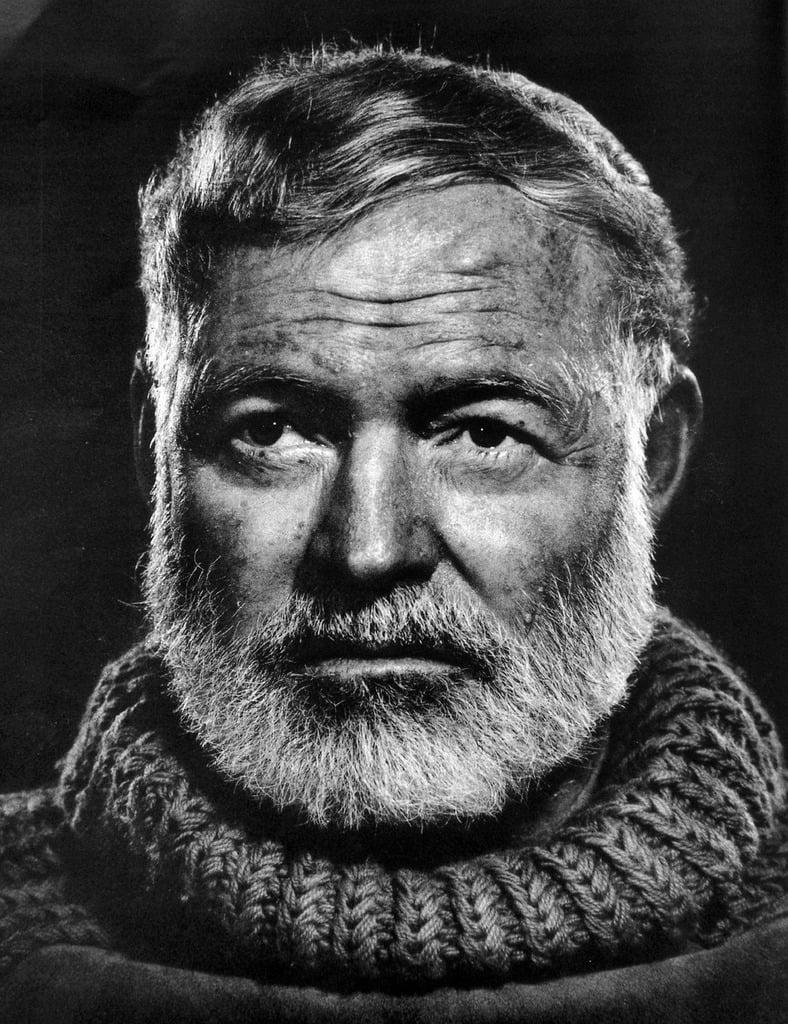
The truth? Some of the best writing advice comes from literary giants, not clickbait guides. Ernest Hemingway, Stephen King, and Margaret Atwood didn’t just write books, they shaped storytelling, redefined genres, and left behind lessons any writer can use.
You don’t need to be crafting the next great novel to benefit from them. Whether you’re creating SEO blogs, ad copy, social posts, or nonfiction, their wisdom can sharpen your storytelling, boost productivity, and make your work truly memorable.
Let’s unpack their lessons, one icon at a time.
1. Ernest Hemingway, Say More with Less
The Man and the Minimalism
Ernest Hemingway is like black coffee, strong, simple, and straight to the point. His “Iceberg Theory” says most meaning should stay beneath the surface, letting readers uncover it themselves. His rule? Cut the fluff.
“If a writer knows enough about what he is writing about, he may omit things… The dignity of movement of an iceberg is due to only one-eighth of it being above water.”
How Freelance Writers Can Apply It
- Cut filler words – Ditch “very,” “really,” and “actually.”
- Show, don’t just tell – Use examples over vague explanations.
- Edit hard – Each draft should be leaner and more purposeful.
Example – Hemingway Style
Before: Our company offers a variety of innovative solutions that can help you maximize your business potential in today’s competitive marketplace.
After: We help your business grow with proven, modern solutions.
2. Stephen King, Write for Your “Ideal Reader”
The Master of the Constant Reader
Stephen King’s On Writing blends memoir and advice, but one tip stands out, always write for your “Ideal Reader” (IR), one real person whose opinion matters most. For King, it’s his wife, Tabitha. For you, it could be a trusted client, a friend, or even yourself.
Why It Works for Content Creators
- Blog posts – You’ll nail the right tone and style.
- Social media – You’ll focus on what your IR enjoys, not just trends.
- Emails – Your writing will feel personal, not mass-produced.
Example – Writing for Your IR
Generic: Social media marketing is essential for businesses today.
IR-focused: Remember that time you spent three hours making a Reel… and got five likes? Yeah, we’re fixing that today.
SEO Tip – Writing with your IR in mind makes keyword integration natural. Instead of awkwardly cramming “content marketing tips for small business,” you’ll craft stories where it fits seamlessly.
3. Margaret Atwood, Respect the Reader’s Intelligence
The Queen of Sharp Prose
Margaret Atwood believes in trusting readers to fill in the gaps. “They don’t want to be told everything, they want to be given hints,” she says. The real magic? When readers connect the dots themselves.
Why It Works for Content Creators
- Keeps audiences engaged longer.
- Builds a loyal “in-group” who feel understood.
- Sets your content apart from generic posts.
Example – The Atwood Effect
Generic: These five strategies will improve your email open rates by 20%.
Atwood-style: These five strategies will make people actually look forward to your emails. Yes, even the Monday morning ones.
SEO Tip – Use curiosity gaps in headlines. Phrases like What No One Tells You About Content Marketing or The Email Subject Line That Tripled My Open Rate spark interest without resorting to clickbait.
4. Pulling It All Together, The Hemingway-King-Atwood Method
Combine the three approaches for content that’s sharp, targeted, and engaging:
- Hemingway – Keep it clear and concise.
- King – Write for one Ideal Reader.
- Atwood – Let your audience connect the dots.
Practical Tips
- Edit like Hemingway – Cut 20% of your words without losing meaning.
- Picture your IR like King – Imagine them reading your work over coffee.
- Add Atwood’s intrigue – Leave space for curiosity.
Example
Original: In today’s business climate, companies need strong branding to remain competitive. Good branding tells a story and builds trust with customers.
H-K-A Version: Good branding is a story your customers want to be part of. Make it worth telling.
5. Why This Works Everywhere
- Hemingway’s clarity = stronger UX copy.
- King’s audience focus = better marketing.
- Atwood’s respect = content people share.
6. Quick Writing Drills
- Hemingway – Write 200 words, cut to 100.
- King – Describe your Ideal Reader, then write them a letter.
- Atwood – Start with a question, answer it later.
Final Takeaway
Content creation isn’t just about filling space, it’s about creating messages that truly connect. Learn from the masters, cut the fluff like Hemingway, write for your Ideal Reader like King, and trust your audience like Atwood. Do that, and both your business and your readers will thank you.
 Sally the Scribe
Leave a comment